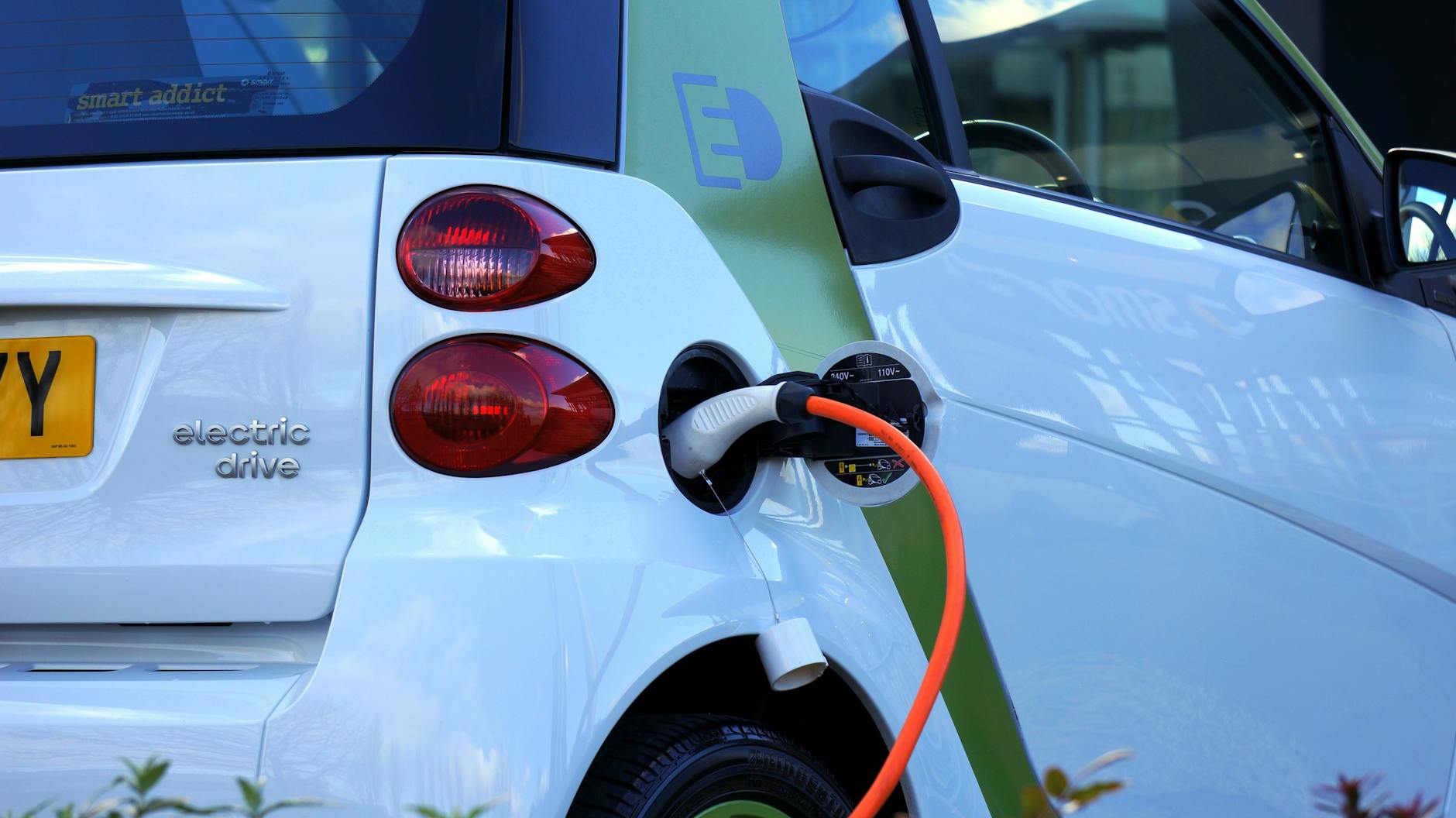

Understand how batteries, electric motors, and electrical systems behave when exposed to water, plus safe driving and maintenance steps for the rainy season.
Why This Matters for Prospective EV Owners
Indonesia's rainy season often brings sudden puddles, localized flooding, and slippery roads. For many people still considering an electric car, safety in floods is a common question: are batteries and electric motors safe when exposed to water? The answer is more reassuring than many expect, but the limits still need to be understood.
This article explains how water protection works in EVs, what to do during heavy rain and floods, and simple maintenance steps to keep your car in top shape. To compare models commonly available in Indonesia, visit the Compare page or use the Car Finder.
How EVs Protect Themselves from Water
Electric cars have no combustion engine that needs air and fuel, so they don't have the "water entering the combustion chamber" problem by design. Key components such as the battery, inverter, and electric motor are sealed to specific durability standards.
Most manufacturers list an IP (Ingress Protection) rating for the battery pack, commonly around IP67. This means the battery is designed to resist dust and survive temporary immersion in water for a limited time and depth—typically around 30 minutes at roughly 1 meter in laboratory conditions.
Important: an IP rating is the result of controlled testing, not permission to drive through floods. Murky water, strong currents, and sharp debris can damage seals and create risks not covered by that test.
Beyond the battery, high-voltage cables are wrapped in multiple insulation layers and backed by automatic cut-off systems. If sensors detect an insulation fault or impact, the system disconnects high-voltage power to protect occupants.
Driving in Heavy Rain: What's Fine and What to Avoid
1. Normal rain and shallow puddles
Heavy rain with a few centimeters of standing water is generally safe for an EV, as long as you slow down. Good tires, longer braking distances, and gentle driving modes help maintain traction.
2. Rising water
As a practical rule, avoid crossing water that covers the lower bumper or rises above wheel height. Even with an IP-rated battery, other components such as connectors, sensors, and the interior remain vulnerable. If water keeps rising and the current looks strong, stop in a safe place and find another route.
3. Fast-flowing floods
Fast-moving water can push a vehicle even if an EV is relatively heavy thanks to its battery. Don't force it. If the car is already stuck, switch it off, exit safely, and do not restart it before a technician inspects it.
Common Questions: Electricity and Water
Concerns about "electric shock" when an EV is exposed to water are generally overblown in a healthy, well-sealed vehicle. High-voltage systems are designed with layered insulation and monitoring. Real risk appears when there is damage to the battery casing, frayed cables, or aging connectors. That's why regular servicing and post-immersion inspections remain essential.
For vehicles such as the Hyundai Ioniq 5 or BYD Atto 3, which carry large battery packs under the floor, an underbody inspection after crossing deep water is strongly recommended.
Safe Steps After Crossing a Puddle or Flood
- Don't restart immediately if the car stalled in water. Call for help and let a technician check it.
- Dry and inspect the underbody—including the battery casing, cables, and connectors—at an authorized workshop.
- Check the interior and cabin electronics to ensure no moisture triggers mold or electrical issues.
- Check the brakes and tires, since water can temporarily reduce braking effectiveness.
- Document the condition for insurance claims if needed.
Rainy Season Maintenance Tips
- Wash the underbody regularly to remove mud and road salt that can accelerate corrosion.
- Ensure door, window, and trunk seals are in good condition so water doesn't enter the cabin.
- Check tire pressure and tread depth regularly; worn tread increases aquaplaning risk.
- Use gentle driving modes in the rain to reduce slip risk from the instant torque of an electric motor.
- Plan trips by monitoring the weather forecast and charging locations via the SPKLU Map so you don't get stuck in flood-prone areas.
Notes for Prospective Buyers
When choosing an EV, ask the dealer about the battery's IP rating, the location of high-voltage components, and the post-immersion inspection procedure. Compact models like the Wuling Air ev or VinFast VF 3 have specific ground clearance you should consider if you regularly pass flood-prone roads. You can also estimate operating savings with the Savings Calculator as part of your decision.
Conclusion
Modern EVs are designed with good water protection, but they are not immune to floods. The key to safety is the same as with conventional cars: know your vehicle's limits, avoid deep water and strong currents, and inspect the car after immersion. That way, you can enjoy the comfort of electric driving throughout the rainy season.
Have a specific question about a particular model or road conditions in your city? Ask EVA, EVPedia's AI assistant, for a more personal and practical answer.