
Can electric cars wade through floods? Understand battery water-resistance standards, hidden risks, and safe driving steps during heavy rain in Indonesia.
Why This Matters for Prospective Buyers in Indonesia
Rainy season in Indonesia often brings sudden flooding, even on major city roads. For many people considering an electric car, the classic question always comes up: are electric cars safe in floods? The concern is understandable, since EVs carry high-voltage components located close to the vehicle floor.
The short answer: modern electric cars are designed with fairly strict water protection standards, but that does not mean they can wade through floods without consideration. This article summarizes what you need to understand before deciding, and how to behave when heavy rain arrives.
Water Resistance Standards: What Do Manufacturers Actually Promise?
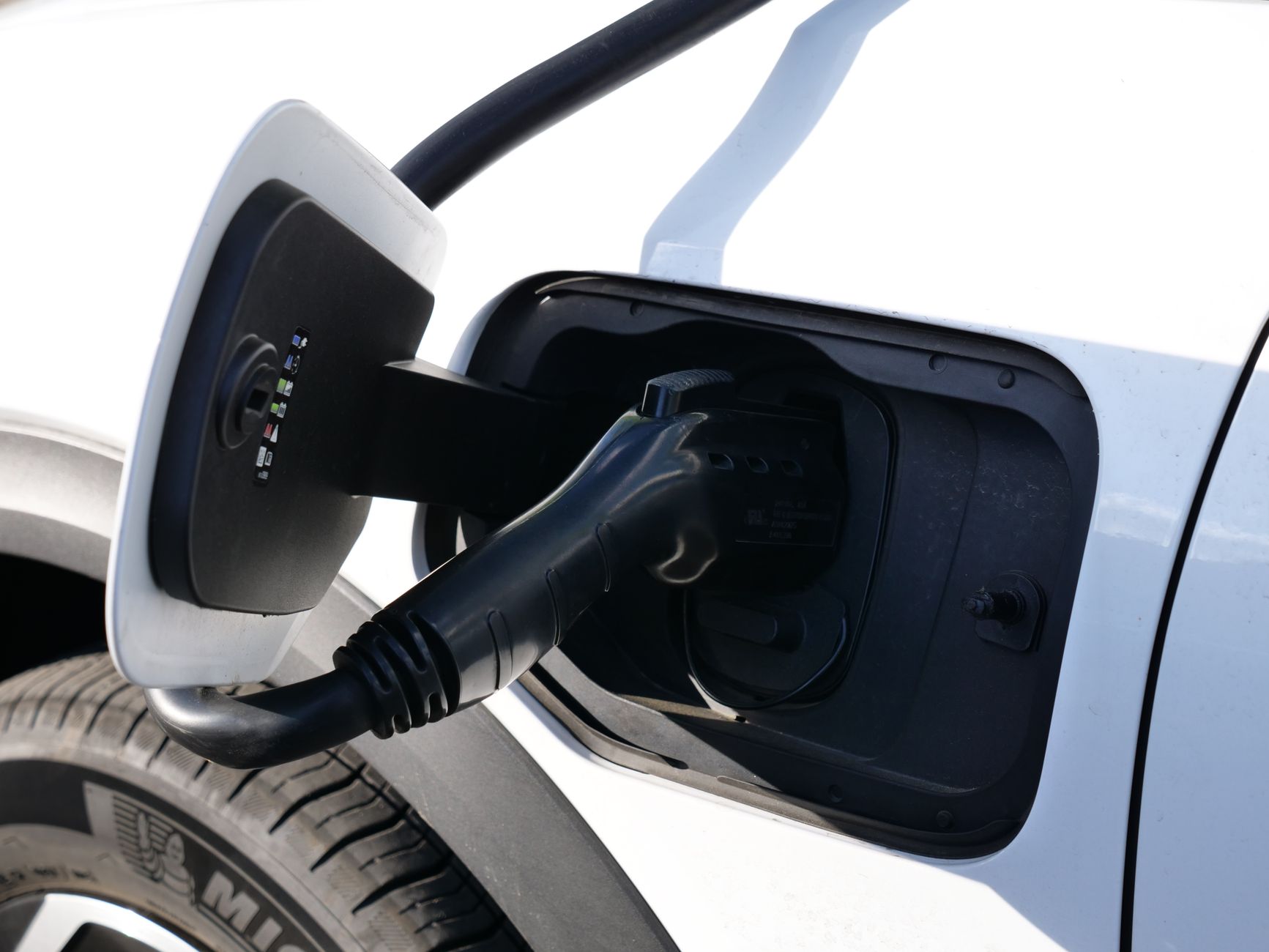
Battery packs and high-voltage components in electric cars generally carry an IP67 or even IP68 rating. Simply put, IP67 means components resist water contact and can withstand temporary immersion at a certain depth, while IP68 offers higher protection. Important to note: these ratings are tested in controlled laboratory conditions, not a guarantee for every flood situation in the field.
What needs to be underlined is that IP ratings apply to components such as the battery and electric motor, not the entire car body. Wiring connections, connectors, and electronic modules can still be problematic if exposed to water for long periods. That is why manufacturers usually state a wading depth limit in the owner's manual, for example around 30–50 cm for many models, and this figure varies between models.
A practical rule: if the water is higher than half the wheel diameter or already approaching the cabin floor, it is better to stop and find another route.
Often Overlooked Risks
- Water entering the cabin. Leaks at door seals or wet carpets can trigger corrosion and disrupt electronic modules under the seats.
- Damage to connectors and sensors. Even though the battery is protected, connectors in lower areas can be exposed to muddy water, which is conductive.
- Loss of traction. This is not unique to EVs, but instant torque makes wheels more prone to spinning on wet asphalt if the driver is not gentle with the pedal.
- Water entering the cooling system. Some models use liquid cooling for the battery; if channels or pumps are disrupted, battery temperature may become unstable.
- Insurance and claims. Flood damage from driving through water is often considered driver negligence. Check your policy before deciding to cross a flooded area.
Safe Driving Steps in Heavy Rain
- Slow down and keep your distance. Braking distances on wet roads can be much longer. Use a gentler driving mode if available.
- Turn on lights and clear the windows. Visibility is the main safety factor. Make sure wipers and defoggers work well.
- Avoid puddles of unknown depth. If you must cross, do so at very low and constant speed, and do not stop in the middle.
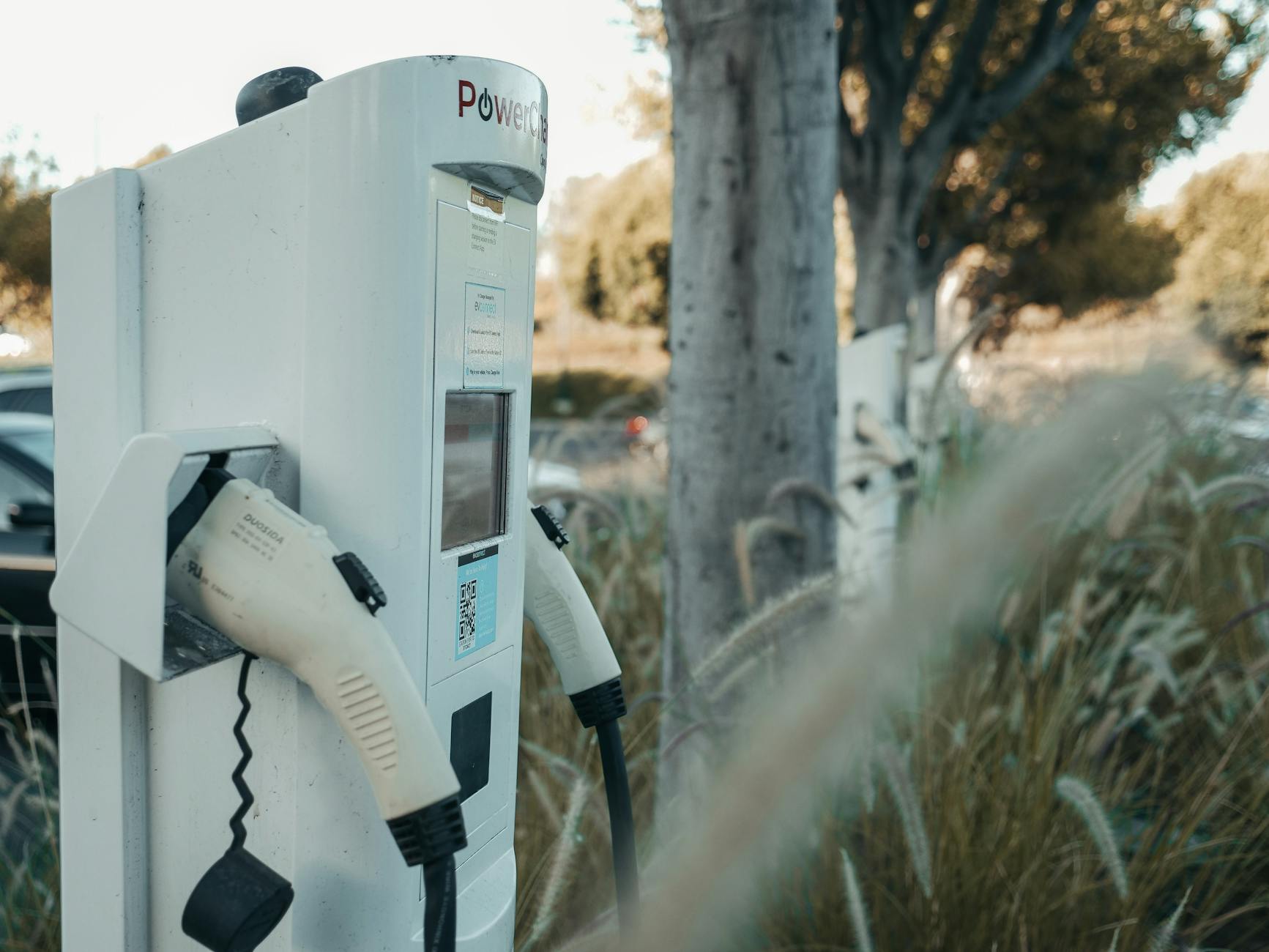
- Do not charge during heavy rain in open areas. Use the SPKLU Map to find charging locations with canopies or shelter.
- After crossing a flood, inspect the vehicle. Check for unusual noises, warnings on the screen, or wet carpets. If in doubt, take it to an official workshop.
Weather Effects on Battery and Range
Rain and cold temperatures tend to reduce battery efficiency. Use of AC, wipers, lights, and defoggers adds electrical load, so range may decrease compared with dry conditions. For long trips during the rainy season, plan charging with a larger margin. You can estimate trip costs with the Savings Calculator before departure.
Choosing an Electric Car Suited to a Tropical Climate
Several popular models in Indonesia have reasonably good battery protection claims and have undergone local weather testing. Examples include the Hyundai Ioniq 5, BYD Atto 3, and Chery Omoda E5. For high-mobility urban needs, the Wuling Air ev or BYD Dolphin are also worth considering. Compare specifications and safety features via Compare or find a model that fits your needs with the Car Finder.
Conclusion
Modern electric cars have reasonably good water protection, but that does not mean they are immune to floods. The key to safety lies with the driver's awareness: know the vehicle's limits, avoid deep puddles, and maintain seals and electrical systems regularly. With this understanding, you can enjoy an electric vehicle more calmly throughout the rainy season.
Still unsure whether a particular model is safe for road conditions in your area? Ask EVA, EVPedia's AI assistant, directly for recommendations and comparisons that suit your needs.