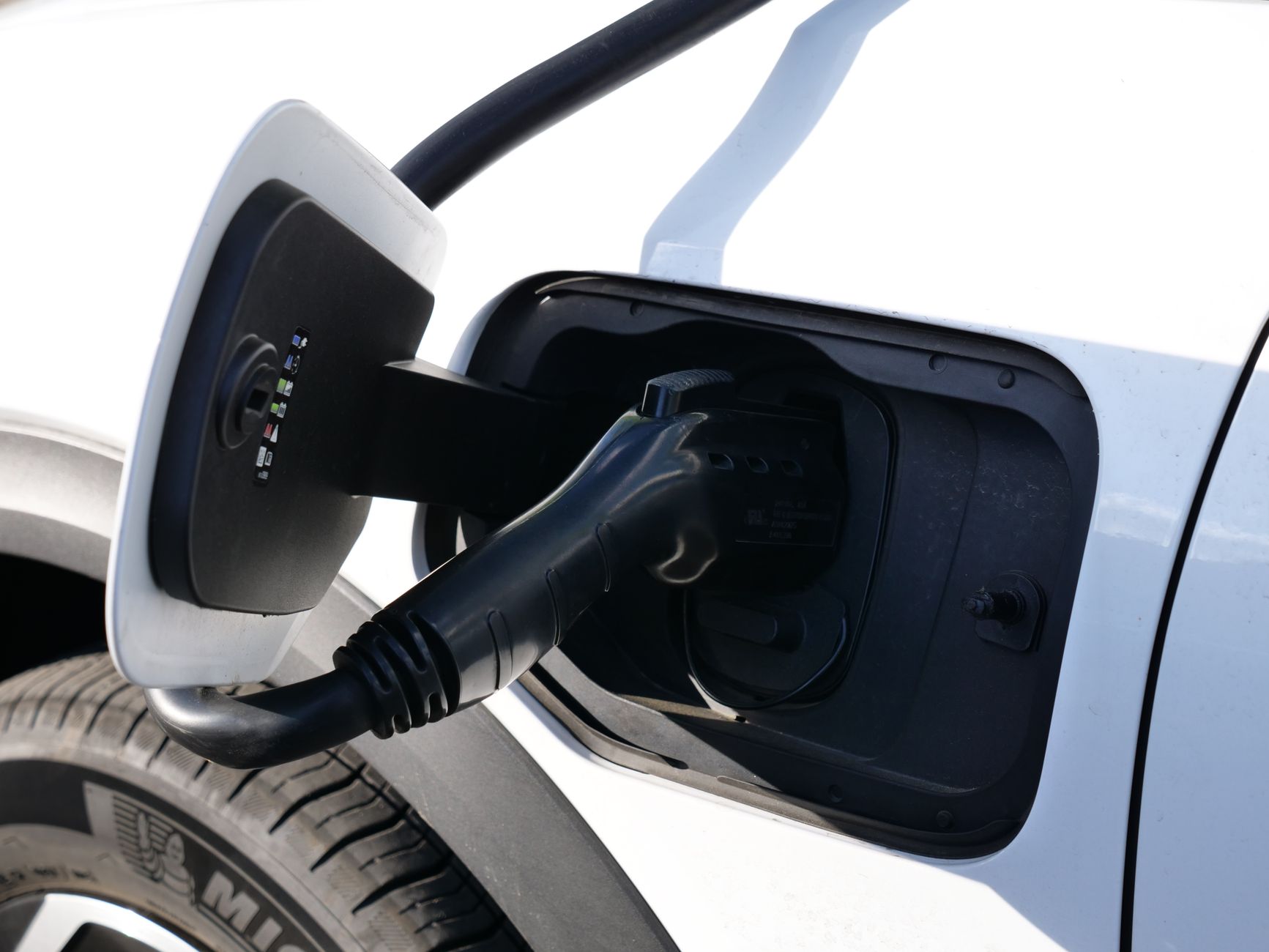
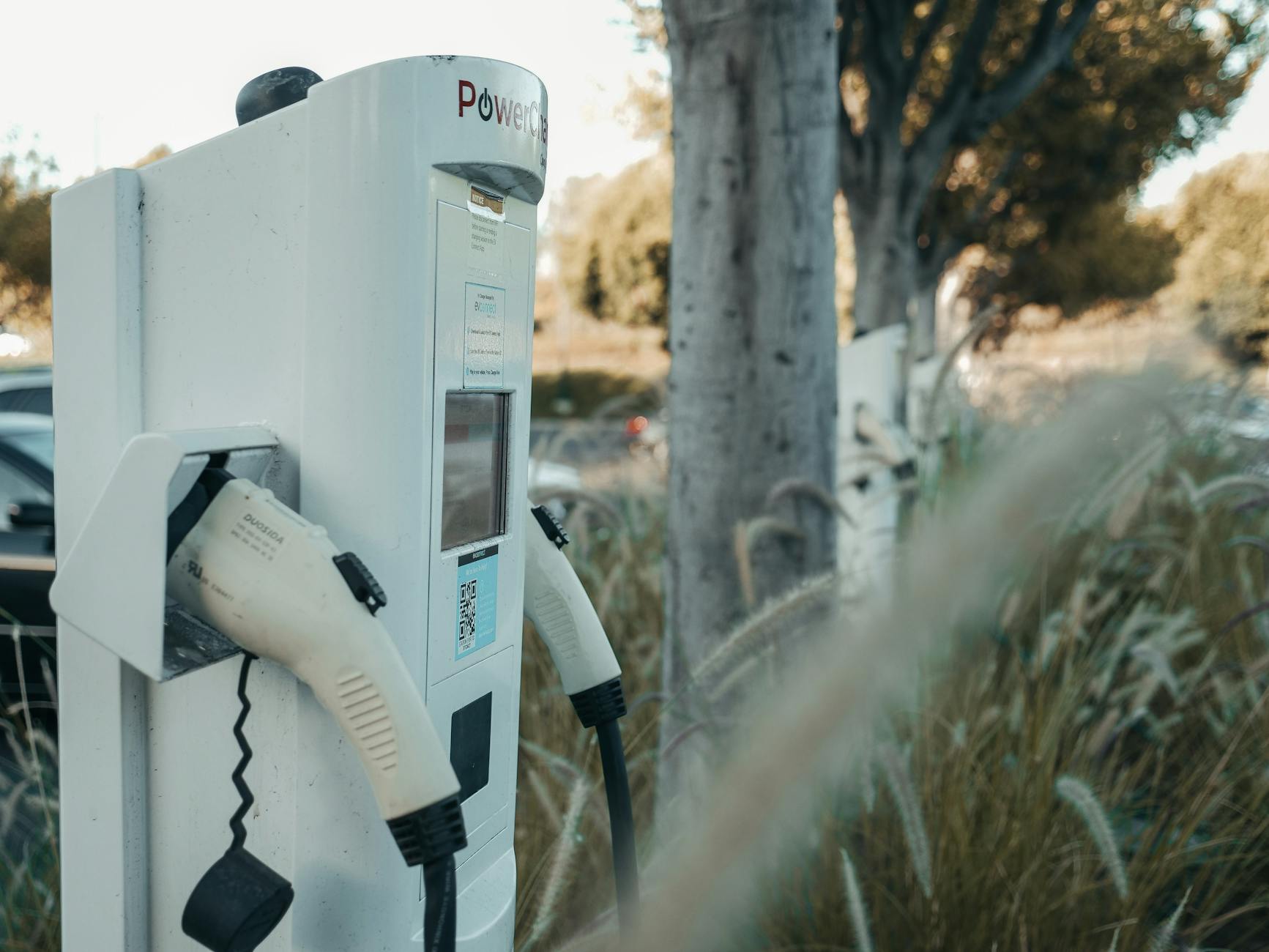
Compare EV and petrol car costs in Indonesia, from energy and servicing to taxes, with practical, beginner-friendly calculations.
Why This Cost Comparison Matters
Many people are drawn to electric cars because their daily running costs are said to be lower. However, buying a car is not just about energy prices. You need to compare the total cost of ownership, including electricity or fuel, servicing, taxes, insurance, and resale value. This article provides a practical overview for readers in Indonesia, with estimates that may vary by location and policy.
1. Energy Costs: Electricity vs Petrol
This is the most frequently compared component. Petrol cars consume fuel per kilometre, while electric cars consume electricity per kilometre. For a fair comparison, use cost per kilometre.
As an illustration, subsidised and non-subsidised fuel prices in Indonesia differ. Household electricity tariffs are also tiered. Therefore, the figures below are rough estimates, not official benchmarks.
| Component | Petrol Car | Electric Car |
|---|---|---|
| Energy consumption | About 10–15 km/litre | About 5–8 km/kWh |
| Energy price | Petrol around IDR 10,000–15,000/litre | Home electricity around IDR 1,500–2,200/kWh |
| Cost per km (estimate) | About IDR 700–1,500/km | About IDR 250–450/km |
From this illustration, the energy cost of an electric car at home can be much lower. However, if you frequently use public SPKLU charging with higher tariffs, the gap may narrow. To calculate with your own numbers, try the Savings Calculator.
2. Servicing and Maintenance Costs
Electric cars have fewer moving components than petrol cars. There is no engine oil, spark plugs, or engine air filter to replace regularly. This can potentially lower routine servicing costs.
However, electric cars still require maintenance such as tyre rotation, battery cooling system checks, and suspension inspections. Out-of-warranty battery replacement costs should also be considered, although battery warranties are generally quite long.
- Petrol car: routine servicing, oil, spark plugs, filters, and potential engine repairs.
- Electric car: simpler routine servicing, focused on tyres, brakes, and battery systems.
3. Taxes, Insurance, and Incentives
The Indonesian government provides several incentives for electric vehicles, such as certain tax exemptions or reductions. These policies may change, so make sure to check the latest information in your area.
Electric car insurance premiums may differ due to vehicle value and repair costs. For petrol cars, premium variations also depend on brand, model, and claims history.
4. Purchase Price and Resale Value
Initial electric car prices in Indonesia still vary. Models such as the Wuling Air ev and BYD Dolphin offer more affordable options, while models like the Hyundai Ioniq 5 sit in a higher segment.
Electric car resale value is not yet as stable as that of petrol cars because the market is still developing. However, growing demand may influence prices in the future.
5. Example Usage Scenario
Suppose you drive 1,500 km per month. With a petrol car costing about IDR 1,000/km, monthly energy costs would be around IDR 1.5 million. With an electric car costing about IDR 350/km, monthly energy costs would be around IDR 525,000. The difference is about IDR 975,000 per month, or around IDR 11.7 million per year. This is only energy cost, not including servicing and taxes.
Cost comparisons should be calculated per kilometre and per year, not just from the purchase price.
6. Often Overlooked Factors
- Availability of a home charger and parking location.
- Daily driving distance and access to SPKLU.
- Regional incentive policies that may differ.
- Ownership plans: the longer you keep the car, the greater the potential savings.
Conclusion
In general, electric cars can be more economical for high daily usage and home charging. However, petrol cars remain competitive for users with low mileage or who frequently make long trips without charger access. Use Compare and Car Finder to see model options that fit your needs.
Still confused about the calculations? Ask EVA, EVPedia's AI assistant, directly for a cost simulation tailored to your usage profile.