
A step-by-step guide to choosing your first family electric car in Indonesia, from budget and seating capacity to range and charging convenience.
Buying your first family electric car is not just about picking the most popular or the most feature-packed model. Many factors need to match your daily routine, the number of family members, and your driving habits. This article helps you set priorities so the decision feels calm and regret-free down the road.
1. Start with needs, not brands
Before opening price lists, ask the basics: how many people usually ride in one car? What is the average daily distance? Will this car often be used for out-of-town trips? The answers will narrow your options far faster than comparing every model on the market.
As a general picture of today's Indonesian market: small city EVs suit one or two people, while electric MPVs and SUVs offer more room for families with children.
2. Match your total budget, not just the car price
The car price is only one component. Consider charging costs, home charging installation, insurance, and periodic maintenance. The good news is that EV running costs are generally lower than petrol cars because there is no engine oil or combustion components to replace regularly.
To estimate monthly energy savings, you can use the Savings Calculator on EVPedia as a starting comparison. Enter your estimated daily distance and home electricity tariff to get a rough picture.
Practical tip: budget based on instalments plus monthly energy costs, not just the on-the-road price. This way you avoid surprises in the first few months.
3. Choose a realistic seating capacity
For a small family with two children, a five-seat EV is usually enough. If you often carry grandparents or extended family, a seven-seat electric MPV such as the BYD M6 may be worth considering for its extra-seat flexibility.
Also pay attention to boot space. Families with toddlers usually carry strollers, gear bags, and child seats. An easily accessible and reasonably deep boot makes daily life much easier.
4. Understand range and charging patterns
EV range depends on many factors: driving style, AC use, passenger load, and road conditions. Therefore, manufacturer figures should be treated as ideal references, not absolute benchmarks.
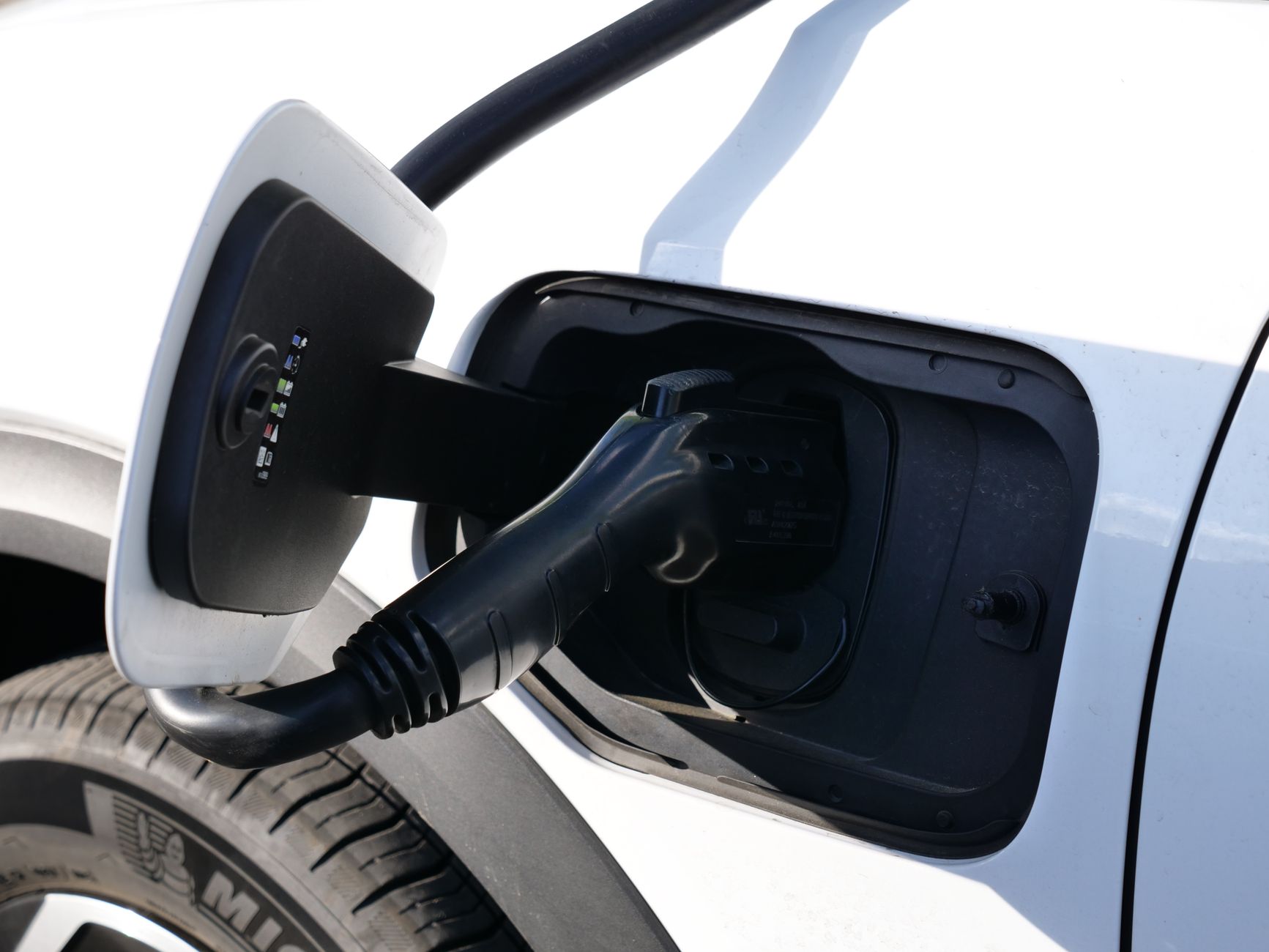
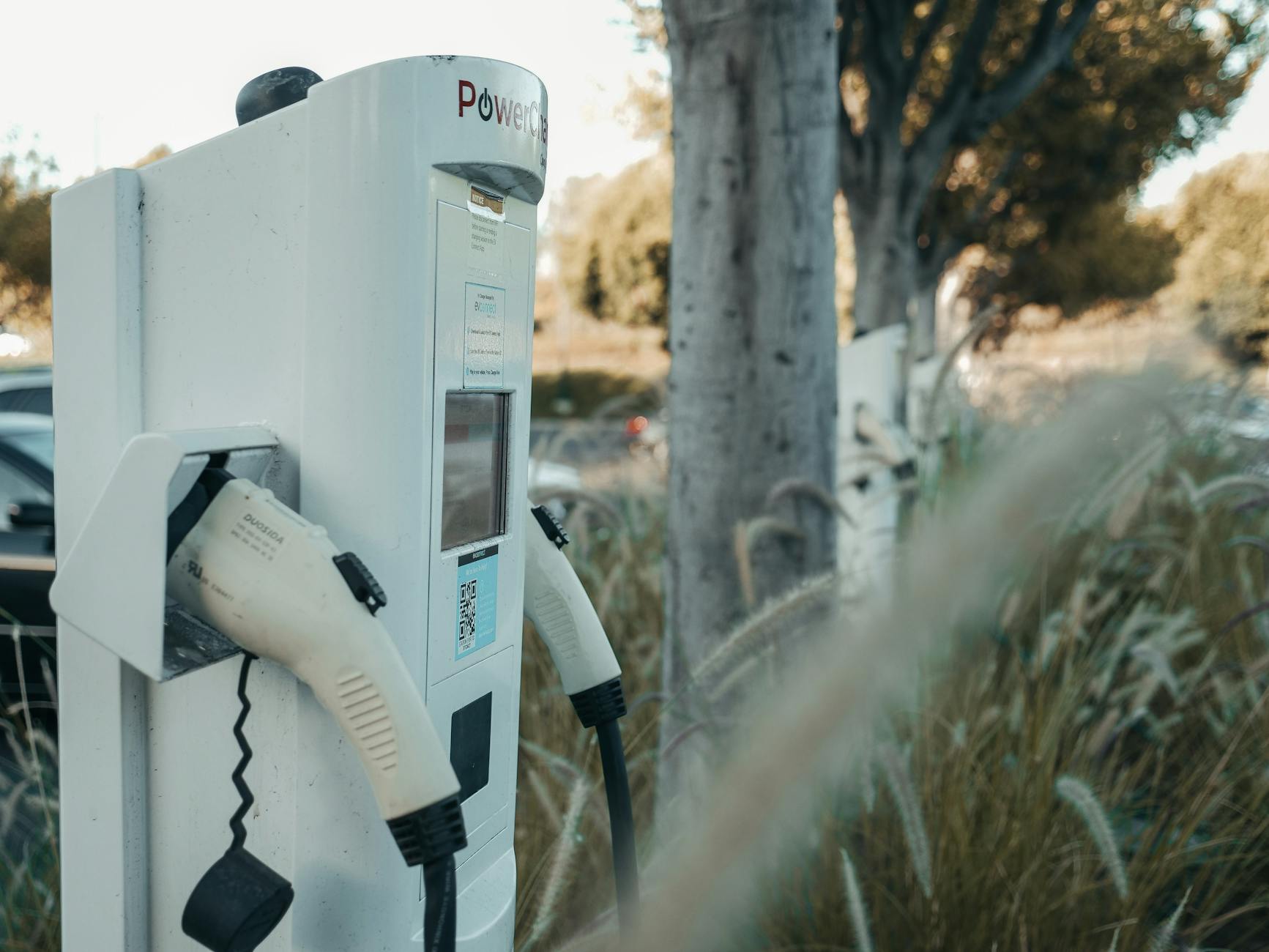
For city use, EVs with a range of around 300–400 km are generally sufficient. If you often travel between cities, check the availability of the SPKLU Map along your usual routes. Make sure there are fast-charging points on that route before deciding.
Charging factors to check
- Home charging: do you have a garage with adequate electrical access?
- Connector types: make sure the car supports the AC and DC charging available at nearby SPKLU.
- DC charging speed: the faster it is, the more convenient long trips become.
- Nearest SPKLU location: ideally within a reasonable radius from home or office.
5. Consider comfort and safety features
For families, safety features such as ABS, stability control, airbags, and driving assistance systems are priorities. Don't hesitate to take a test drive with the family to feel rear-seat comfort, how easy child seats are to install, and how easily children get in and out.
Some models often considered by families include the Hyundai Kona Electric for urban use, the Chery Omoda E5 with its modern design, and the Wuling Cloud EV with its roomy cabin for its class. For larger needs, the BYD Atto 3 is also popular among young families.
6. Compare objectively
Once you have a shortlist, compare specifications, estimated prices, and your needs side by side. Use the Compare feature to see differences in dimensions, battery capacity, and features between models. You can also use Car Finder to filter EVs by budget and preferred body type.
| Family priority | What to look at |
|---|---|
| Tight budget | On-the-road price, monthly energy costs, and maintenance packages |
| Large family | Seven-seat capacity and boot space |
| Frequent out-of-town trips | Range and DC charging speed |
| City use | Compact dimensions and ease of parking |
7. Test drive before deciding
Don't skip the test drive. Try routes similar to your daily commute, including traffic jams and inclines. Pay attention to throttle response, suspension comfort, and how easily you adapt to the screen layout and infotainment system.
Conclusion
Choosing your first family electric car is about aligning needs, budget, and charging convenience. Start from real needs, not trends. With this approach, your chosen EV will suit you better in the long run.
Still unsure which model fits best? Ask EVA, EVPedia's AI assistant, directly. Tell it about your daily routine, family size, and budget, and EVA will help narrow down the options based on data in the EVPedia directory.