Compare energy, servicing, tax, and resale costs of EVs vs petrol cars in Indonesia so your purchase decision is better grounded.
Why You Need a Full-Cost Comparison
Many buyers only look at the sticker price. In reality, a car purchase should consider the total cost of ownership over several years: energy, servicing, taxes, insurance, and resale value. This article compares EVs and petrol cars in Indonesia practically, using estimated figures that may vary by model, region, and driving habits.
1. Energy Cost: Electricity vs Petrol
This is the most discussed component. Petrol cars consume roughly 7–12 km per liter for small to mid-size passenger cars. With petrol around Rp10,000–13,000 per liter (depending on fuel type and region), the cost per kilometer sits at roughly Rp900–1,800.
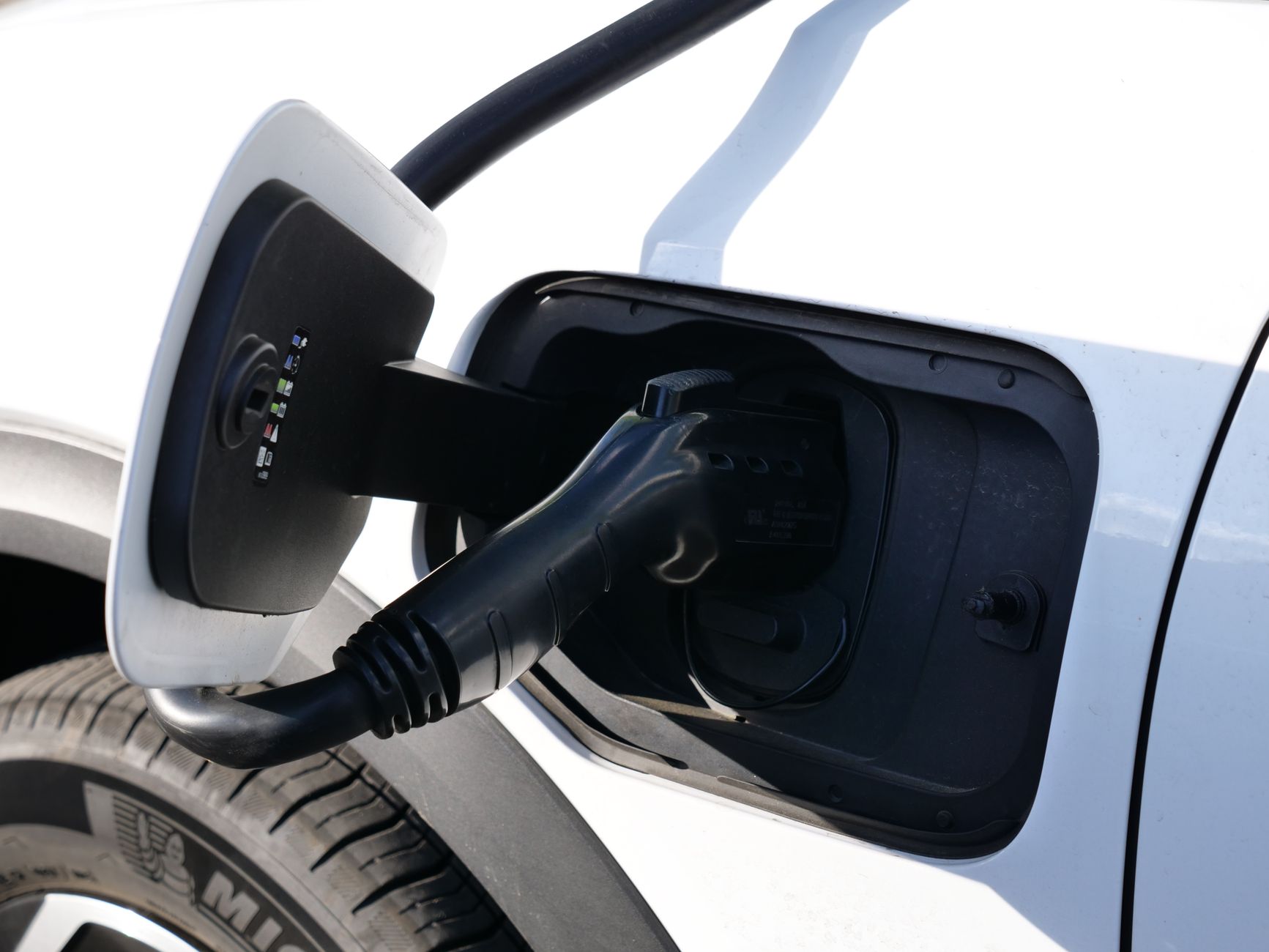
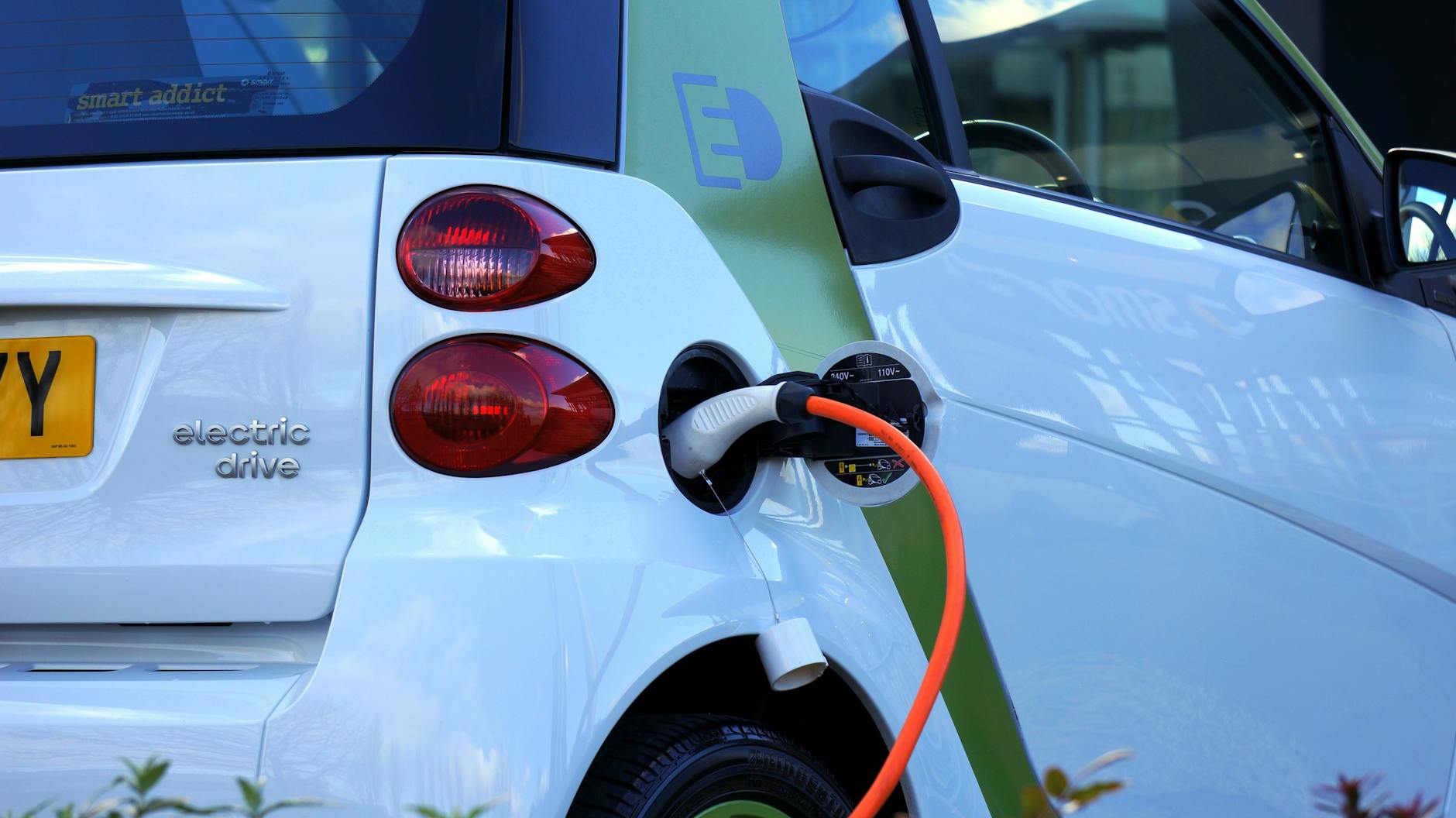
EVs consume around 5–7 km per kWh for city models like the Wuling Air ev or BYD Dolphin, and around 5–6 km per kWh for SUVs like the Hyundai Ioniq 5. With household electricity tariffs around Rp1,500–1,700 per kWh (plus charging fees), the cost per kilometer can sit at roughly Rp250–400. For 1,000 km per month, the difference can reach hundreds of thousands of rupiah monthly.
Keep in mind: charging at public SPKLU stations is generally more expensive than charging at home, so charging patterns strongly affect savings.
2. Servicing and Maintenance
Petrol cars have more moving parts: engine oil, filters, spark plugs, timing belts, and exhaust systems. Annual routine servicing can range from Rp2–5 million for mid-size cars, excluding unexpected repairs.
EVs do not need engine oil or spark plugs. Maintenance focuses on battery cooling checks, brakes, tires, and cabin filters. Generally, annual servicing costs are lower, though replacing major components like the battery outside warranty can be expensive. Check the battery warranty (commonly 8 years or around 160,000 km for many brands).
3. Taxes and Incentives
In Indonesia, battery electric vehicles (BEVs) receive lighter tax treatment than petrol cars, including VAT incentives and regional vehicle tax exemptions in some areas. The details vary by region and change over time. For current context, see EVPedia's regulation coverage and confirm with authorized dealers.
Beyond taxes, there are potential savings such as odd-even plate exemptions in Jakarta (EVs are excluded) and certain parking conveniences in some locations.
4. Insurance
EV insurance premiums tend to be slightly higher due to the value of battery components and technology. However, the difference is not always significant and depends heavily on the model, sum insured, and the owner's claims history.
5. Resale Value
This variable is still developing. Indonesia's used EV market is not as large as the petrol car market, so resale value can be more volatile. Popular models with broad service networks and good battery reputation tend to be more stable. Conversely, petrol cars have a more mature and liquid used market.
A Simple Simulation
Here is a rough illustration for 1,000 km per month over 5 years (60,000 km). Figures are estimates and may vary:
| Component | Petrol Car (estimate) | EV (estimate) |
|---|---|---|
| Energy cost | Rp900–1,800 per km | Rp250–400 per km |
| Routine servicing over 5 years | Rp10–20 million | Rp5–12 million |
| Taxes | Higher | Lighter (incentives) |
| Insurance | Baseline | Slightly higher |
From this simulation, energy and servicing savings are often the main draw, but they must be weighed against the typically higher initial purchase price of EVs.
Often Overlooked Factors
- Charging access: If you have a garage with adequate electricity, savings are more noticeable. If you rely on public SPKLU, energy costs rise. Check the SPKLU Map for availability near you.
- Daily routes: City driving suits EVs better; long trips require charging planning.
- Driving habits: Aggressive driving affects both energy and petrol consumption.
- Home charging packages: Installing a home charger requires upfront cost but boosts long-term savings.
Conclusion
Broadly, EVs can be cheaper on energy and routine servicing, especially for users with home charging access and daily city use. However, petrol cars still lead on upfront price, refueling convenience, and used-market liquidity. The best decision depends on your usage patterns.
Want a more specific calculation? Use EVPedia's Savings Calculator, then compare your shortlisted models on the Compare page.
Still unsure which model to choose or how to budget? Ask EVA, EVPedia's AI assistant, for recommendations tailored to your needs and location.