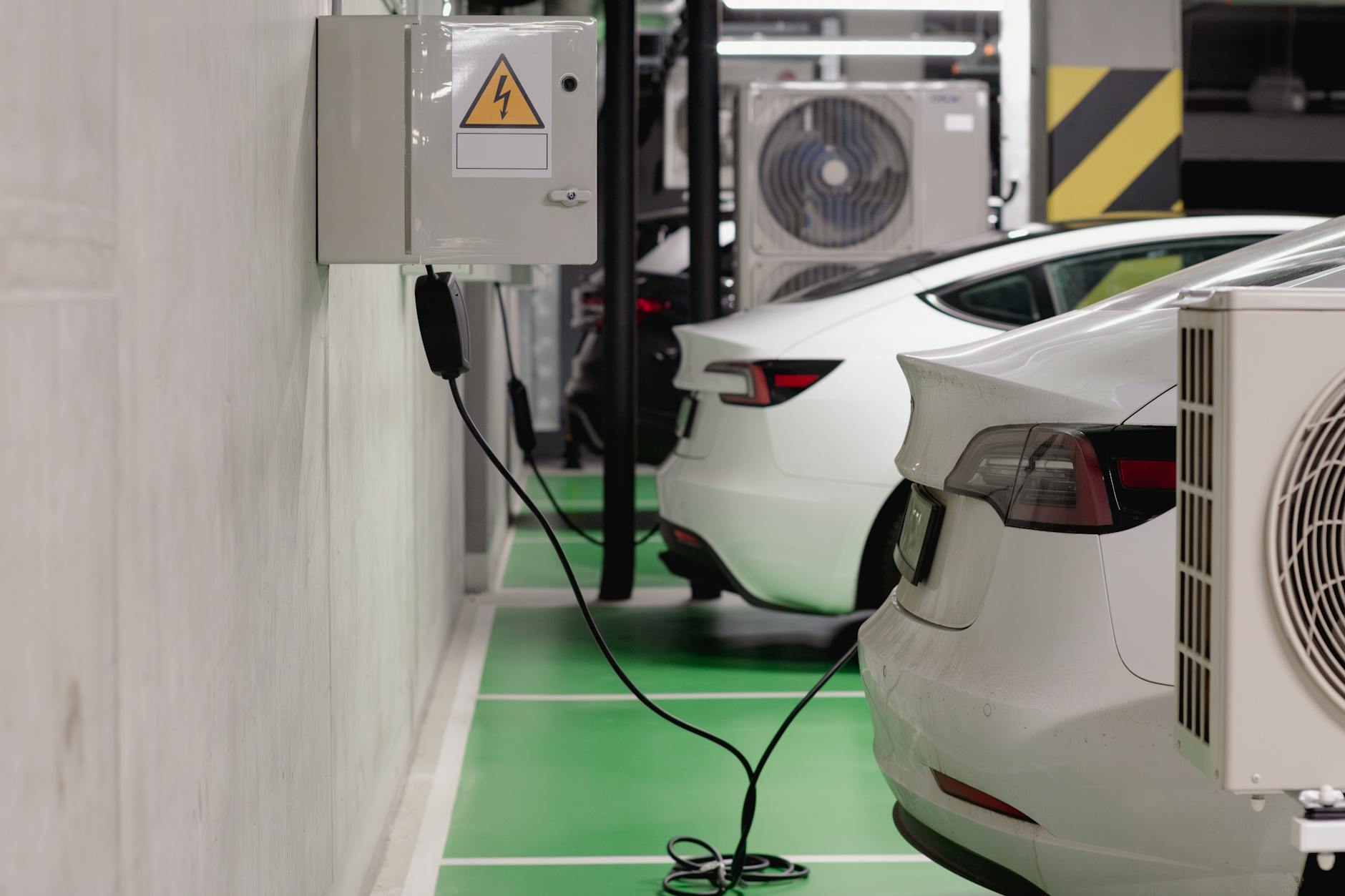
Learn how regenerative braking works and efficient driving tricks to extend your EV's range and reduce charging costs.
What Is Regenerative Braking and Why Does It Matter?
For many people switching to an electric car, one of the most noticeable differences is the sensation when you lift off the accelerator. Instead of coasting freely, the car slows down on its own. That is the effect of regenerative braking, one of the smartest technologies in electric vehicles.
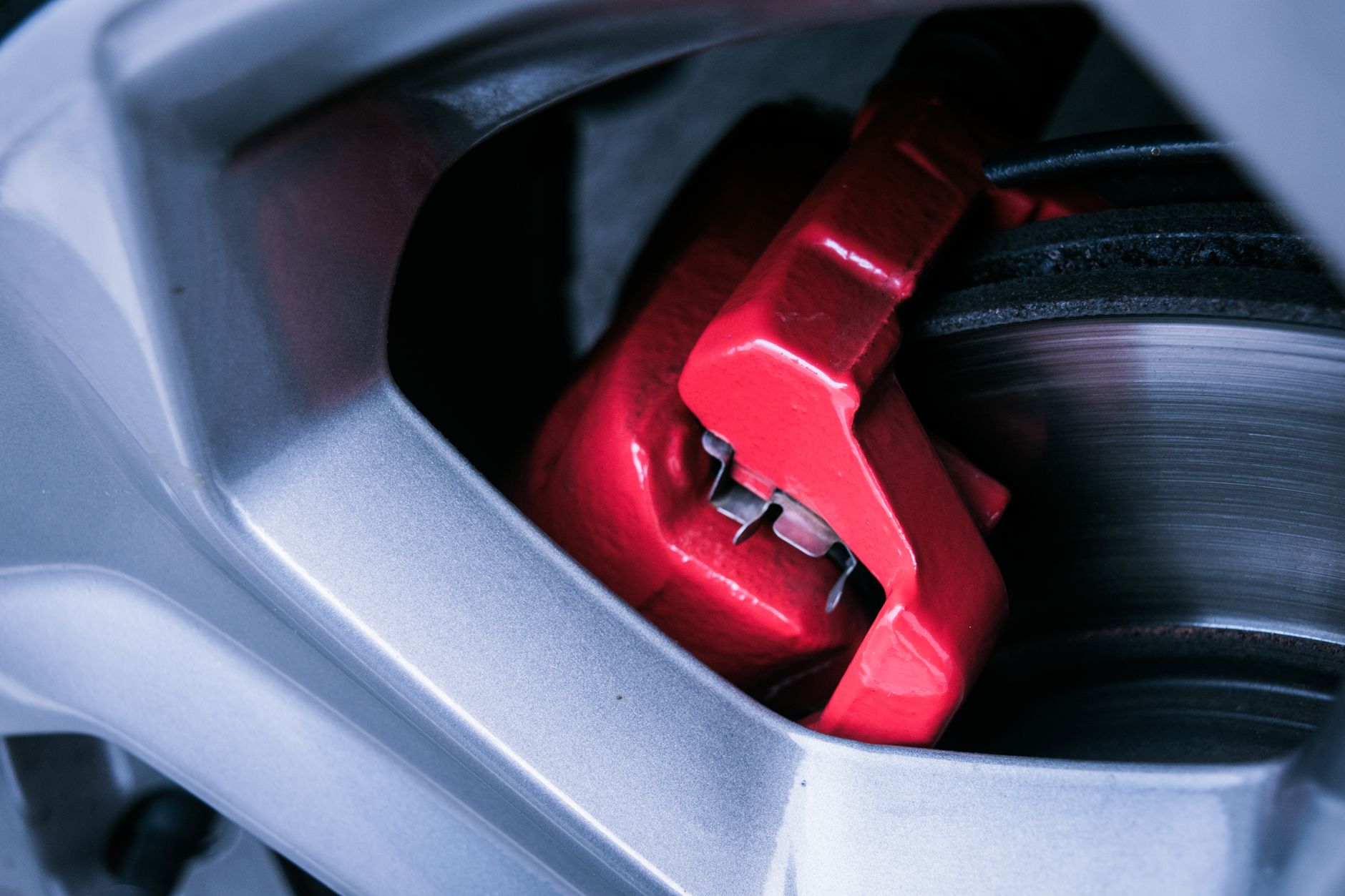
Simply put, regenerative braking reverses the role of the electric motor. When you decelerate, the motor becomes a generator that converts kinetic energy into electricity and stores it back in the battery. Energy that would normally be lost as heat through conventional brake discs is now used to extend range. In dense urban traffic, its contribution to overall efficiency can be significant.
Interestingly, this system also reduces brake pad wear because mechanical braking is used less often. That means lower energy consumption and potentially lower maintenance costs.
Understanding Regeneration Modes and One-Pedal Driving
Almost all modern EVs offer adjustable regeneration levels, usually from low to high. At the highest level, you can drive with a single pedal: release the accelerator and the car slows strongly, almost to a stop. This feature is often called one-pedal driving.
- Low level: feels more like a petrol car, suitable for new drivers or quiet highways.
- Medium level: a balance between comfort and battery charging, ideal for daily driving.
- High level: most efficient in traffic jams, but requires adjustment so passengers do not feel jerked.
Some models such as the Kia EV6 and BMW iX1 even offer automatic modes that adjust regeneration based on the traffic ahead. Meanwhile, the Toyota bZ4X and Lexus RZ provide paddle shifters behind the steering wheel to adjust regeneration levels instantly.
The key to one-pedal driving is anticipation. The earlier you lift off the accelerator, the more energy returns to the battery without touching the brake pedal.
Efficient Driving Techniques for Maximum Range
1. Look Far Ahead, Avoid Sudden Braking
Look far ahead and watch traffic lights and the movement of vehicles in front. By releasing the accelerator earlier, regenerative braking works optimally. Sudden braking forces the mechanical brakes to engage and wastes energy.
2. Use Momentum
When going downhill or on a slope, let regeneration charge the battery. However, keep a safe speed and do not rely entirely on regenerative braking on long descents; mechanical brakes are still needed as a safeguard.
3. Maintain a Steady Speed
On highways, a steady speed with cruise control is more efficient than repeated acceleration and deceleration. Keep in mind that energy consumption rises significantly at high speeds due to aerodynamic drag.
4. Use Eco Mode Wisely
Eco mode usually limits accelerator response and optimizes battery cooling. It is suitable for daily trips, but avoid it when you need full power, such as overtaking on a hill.
5. Watch Load and Tires
Correct tire pressure and avoiding excess cargo help reduce energy consumption. Under-inflated tires increase rolling resistance and shorten range.
A Simple Savings Simulation
Imagine you drive 50 km per day in the city. With efficient driving and consistent use of regenerative braking, energy consumption can drop by around 10–20 percent compared with aggressive driving. Over a month, the difference is enough for several home charging sessions. To calculate potential savings based on your electricity tariff and distance, try the Savings Calculator on EVPedia.
| Habit | Impact on Efficiency |
|---|---|
| Releasing the accelerator earlier | Energy returns to the battery, brakes last longer |
| Aggressive acceleration | Energy consumption rises significantly |
| Steady speed on highways | Better efficiency |
| Under-inflated tires | Increased rolling resistance |
Regenerative Braking Is Not a Replacement for Conventional Brakes
It is important to understand that regenerative braking cannot stop the car completely in an emergency. Mechanical brakes remain the primary safety system. At very low speeds or when the battery is full, regeneration also decreases, so conventional brakes work more dominantly. Familiarize yourself in a safe area before relying on one-pedal driving in busy traffic.
If you want to compare regeneration capabilities and efficiency features across models, use the Compare feature or explore options through Car Finder. For long-distance trip planning, check the SPKLU Map so your charging route is better planned.
Conclusion
Regenerative braking is one of the main reasons electric cars feel efficient and enjoyable. By understanding how it works and getting used to smooth driving, you can enjoy longer range, lower operating costs, and a calmer driving experience. Start with a medium regeneration level, then adjust as your comfort grows.
Have questions about regenerative braking, driving modes, or which EV suits your daily route? Ask EVA, EVPedia's AI assistant, who is ready to help with practical and neutral recommendations tailored to your needs.