A summary of Indonesia's latest EV incentives and regulations, from taxes to odd-even rules, plus tips to use them before buying.
Why Regulations Matter When Buying an EV
Buying an electric car in Indonesia is not just about choosing a brand and color. There is a layer of policy that affects the final price, ownership costs, and day-to-day convenience. From sales tax, import duties, and local-content incentives to traffic rules such as odd-even plates, understanding this regulatory map helps you budget more realistically and avoid surprises later.
This article summarizes the policies in force as of November 2026 in a practical way. Note that technical details and rates can change through new regulations, so always verify with official sources or ask our AI assistant, EVA, before making a transaction.
The Incentive Framework: From Taxes to Local Production
The Indonesian government consistently uses two channels to encourage EV adoption: fiscal and non-fiscal incentives. Fiscal incentives directly affect car prices, while non-fiscal ones affect usage convenience.
1. Sales Tax and PPnBM
For battery electric vehicles (BEVs), the government applies lighter sales tax treatment than for combustion-engine vehicles. Under the current framework, BEVs enjoy government-borne VAT for part or all of the amount, as well as very low or zero PPnBM for certain categories. The scheme is designed to make on-the-road prices of EVs more competitive.
What you need to understand: the size of the incentive is often tied to the local content level (TKDN) and whether the vehicle is assembled in Indonesia. Cars produced locally with high TKDN generally receive the most favorable treatment. That is why the price of an EV assembled domestically can differ quite significantly from a fully imported (CBU) version.
2. Import Duties
To encourage factory investment, the government previously opened an import channel for EVs with reduced import duties and taxes, on the condition that manufacturers commit to building production facilities in Indonesia within a certain timeframe. This policy explains why some global brands could enter with aggressive pricing in the early phase, then gradually shift to local production.
For consumers, the implication is simple: models already assembled locally tend to have more stable prices and more reliable parts supply. Models still imported may be more expensive or vulnerable to exchange-rate and policy changes.
3. Incentives for Commercial Vehicles and Conversion
Beyond passenger cars, there is also support for electric commercial vehicles and programs to convert motor vehicles to electric. If you are considering an EV for business, for example for a city logistics fleet, this scheme can add savings. However, the process and requirements are more administrative, so it is best to consult with a consultant or relevant association.
Non-Fiscal Incentives You Feel Every Day
Incentives are not always price cuts. Some central and regional policies give operational flexibility to EVs.
- Odd-even plates: in several areas, battery electric vehicles are exempt from odd-even rules. This is a real advantage for users in big cities.
- Parking and special lanes: some local governments offer cheaper parking rates or access to certain areas. Policies vary between cities, so check local rules.
- Road trials and registration: EV registration is now relatively on par with conventional vehicles, with some administrative conveniences.
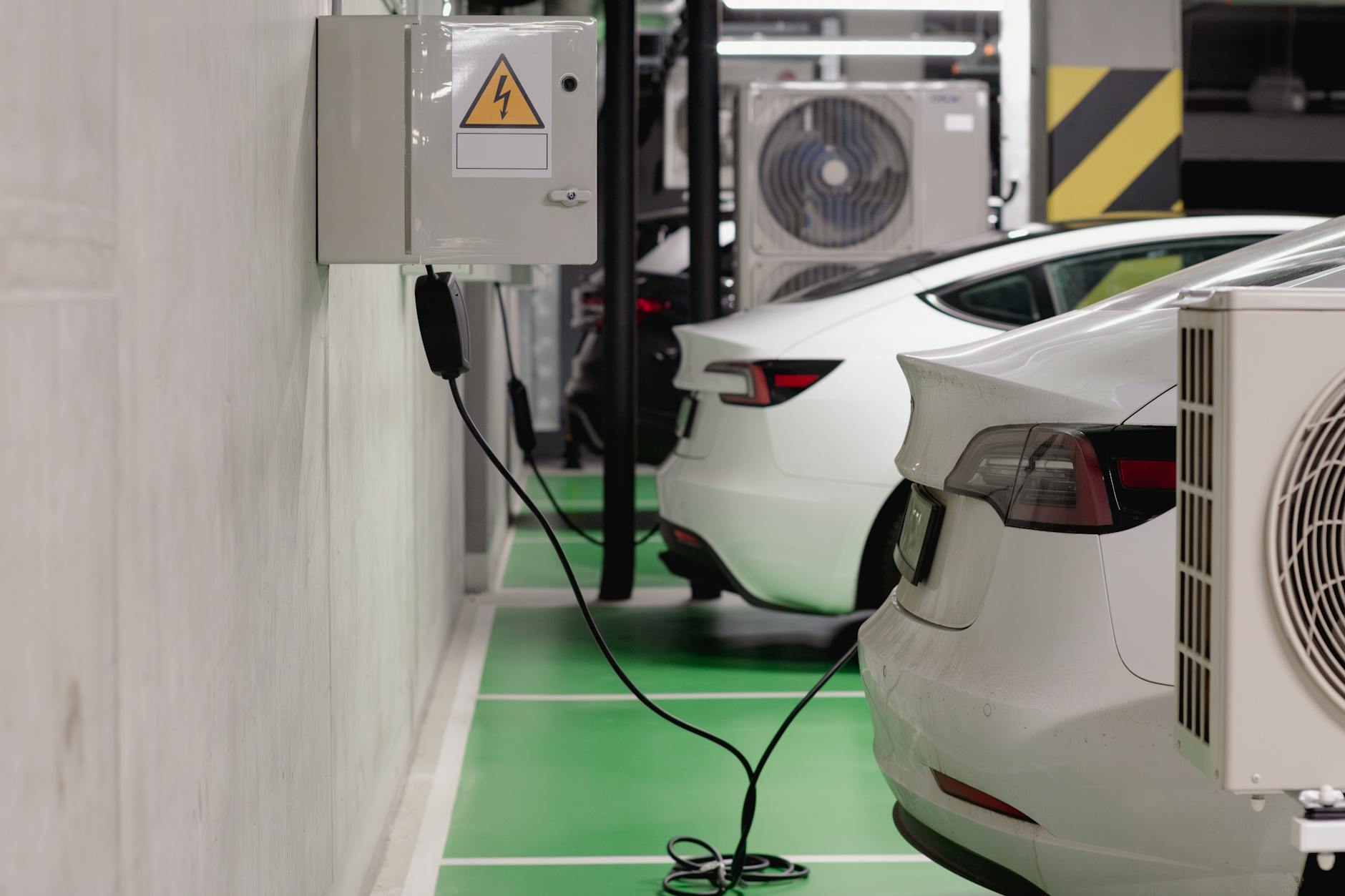
For charging planning, see our SPKLU Map so your daily routes stay convenient, including during holiday travel or out-of-town trips.
How Regulations Affect Price and Ownership Costs
Let us translate policy into practical numbers. EV prices in Indonesia currently range from affordable city cars to premium SUVs. For example, the VinFast VF 3 and VinFast VF 5 target first-time buyers with relatively friendly prices, while the Kia EV6 or Toyota bZ4X sit in the mid segment. In the premium class there are the BMW iX, Mercedes-Benz EQE SUV, and Lexus RZ.
Tax incentives are usually already reflected in official prices, so you do not need to claim them yourself. However, other ownership costs still need to be calculated: home electricity or SPKLU rates, insurance, and maintenance. To compare fuel versus electricity savings, use our Savings Calculator. You can also compare specifications of several models at once through Compare.
Questions Prospective Buyers Often Ask
Do incentives apply to all brands?
Not automatically. Incentives usually require vehicles to meet certain criteria, including local assembly status and TKDN. That is why two cars with similar prices can have different incentive structures. Check the sales documents and ask the dealer about the TKDN status of the model you are interested in.
Will prices rise after incentives end?
Incentive policies generally have a validity period and may be extended or adjusted. Avoid assuming current prices are permanent. If you are already confident about your chosen model, buying while incentives are still in force can be advantageous. On the other hand, do not rush just for fear of missing a promo; match it with your needs and financial capacity.
What about annual vehicle tax?
EVs generally receive lighter motor vehicle tax treatment, although the exact amount is set by regional governments. Check the rates in your province because they can differ.
Practical Tips for Using Regulations
- Prioritize locally assembled models if you want more stable prices and easier parts access.
- Check TKDN status and incentive documents before signing an order.
- Calculate total cost of ownership, not just the purchase price: electricity, insurance, maintenance, and resale value.
- Monitor regional rules on odd-even and parking, especially if you drive daily in a big city.
- Use our directory to find a model that fits your needs through Car Finder.
Good regulation is not just a price cut, but certainty that your chosen EV remains economical and comfortable to use for years.
Conclusion
Indonesian EV incentives and regulations continue to evolve to encourage local production and broader adoption. For prospective buyers, the key is understanding that the listed price already reflects part of these policies, while other benefits come from regional rules and lower operating costs. Always verify the latest information before buying, because policy details can change.
Have a specific question about a model, the incentives that apply to a particular vehicle, or a cost comparison? Ask EVA, EVPedia's AI assistant, who is ready to help you browse the directory and calculate estimated savings in a practical way.